Tag Archives: wildlife

Staying close to home….

I realise I’ve been neglecting my blog, mainly due to the pressures of work and although my images have been updated, I’ve not been writing too much. I now have a lot more time though, having taken the decision to leave the employer I was with (for a very long time!) as that amount of stress isn’t healthy for anyone……I now have the time I dreamt of when my wife and I first moved up here back in 2017 and can spend plenty of time in nature, the place I feel most relaxed and connected.

One of the best things about living somewhere like the Highlands of Scotland is that there is no shortage of choice of where to take the camera. I’ve learnt over the years that I am most definitely a coastal soul and love spending my time finding subjects on the many beaches here. On the east coast, where I am, is a mix of shallow sandy beaches, rocky headlands and sea lochs. Winter brings the waders, wildfowl and often flocks of sea ducks come closer to shore, so whatever the weather there is something to find.

Nature photographers have a few different approaches to finding subjects. Some adopt the full on “project” where they concentrate on getting the best from a specific subject, often for quite some time, others may prefer to make the most of the little time available to them and head for a well known site that produces results (can often be busy) or even pay to visit a hide. Alternatively, the “wander and see” method can pay dividends but is often hit and miss. My trips are definitely a mix of these. That said, with a little homework first you can significantly increase your chances. Images below are from one of those, just a wander with the camera. The duck images are from Tain Links.

Learning about your subjects is the first step to fully understanding behaviour, little things picked up here and there that can help you recognise and make the most from a moment that might last just a few seconds.

Some examples – if you see a Teal just dipping under the water a few times (not feeding, just washing) within a few seconds they will flap the water from their wings, almost rising out of the water and spraying droplets everywhere, a great photogenic opportunity.

Teal flapping wings after wash

Teal flapping wings after wash

Teal bathtime

Teal bathtime

Teal wingflap

Teal wingflap

Another piece of information that can pay dividends is where the birds are at each stage of the tide. At what point do they feed? Where do they go first for the earliest mud uncovered by a dropping tide? This is exactly what I used to get a few images from Dornoch Beach of the feeding Sanderings – I simply sat and waited close to the spot I knew they would be visiting and waited. Sure enough, as soon as the mud is about to show, in they came. Very busy little birds, darting everywhere and can be hard to keep in the viewfinder. I like to try and catch something a little different such as these images below – 

Sanderling with shell heart

Sanderling with shell heart

Sanderling with a lug tail

Sanderling with a lug tail – probably missed the full worm…unlike….the next bird


Sanderling with a lugworm

Sanderling with a lugworm

Don’t forget though, even if you don’t manage to get any images on a trip out, just watching the wildlife can provide lots of tips for future use, so it’s never a wasted journey, it’s all part of the same path to improve your chances at a later date.

Just a quick blog for today but I’ll endeavour to make this a much more active space. Hope you enjoyed the images.
Posted in Birds, Everything else, Photography, Scotland, Wildlife Photography Also tagged , , , , , , , |

Springing into 2017

Half way through April and spring is well and truly underway. I guess the best way to start this post is with the most obvious sign of spring from the garden and one that many people probably take for granted – a frog chorus. Now frogs are hardly rare but you would be forgiven for thinking that in my garden. Despite having two reasonably sized wildlife ponds, it has been the newts that rule the water (newts eat frogspawn and vice versa)….maybe that’s all about to change?

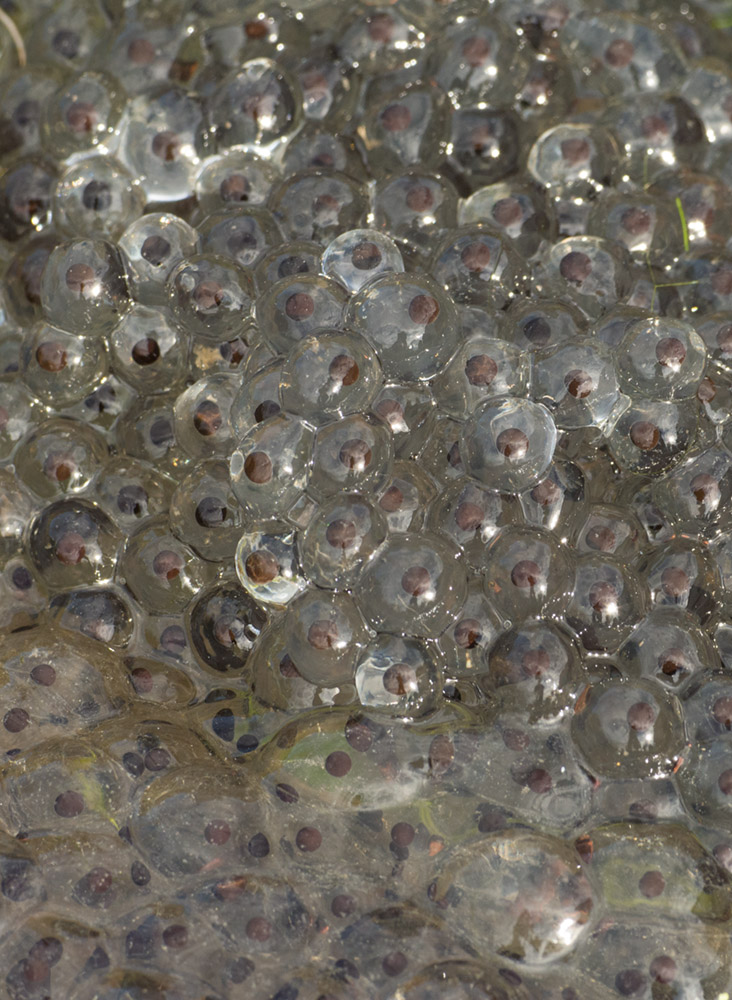
After finding quite a few adult frogs at night and hearing them sing from our bedroom window, I knew that maybe this year would be a little different. My hopes were realised when one morning on my way to feed the birds I saw the first frog spawn of the year, and the first time in abundance for my pond(s).

Frogspawn clump

Frogspawn clump

Over the next couple of weeks there was a steady addition of spawn, the result being a large semi-floating mass with what must number into the thousands of eggs.

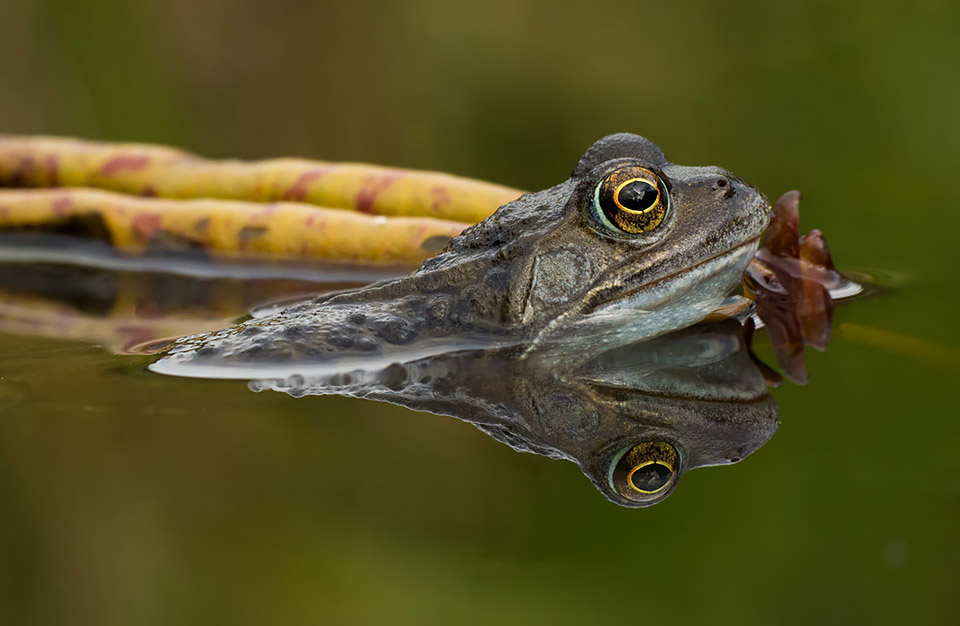
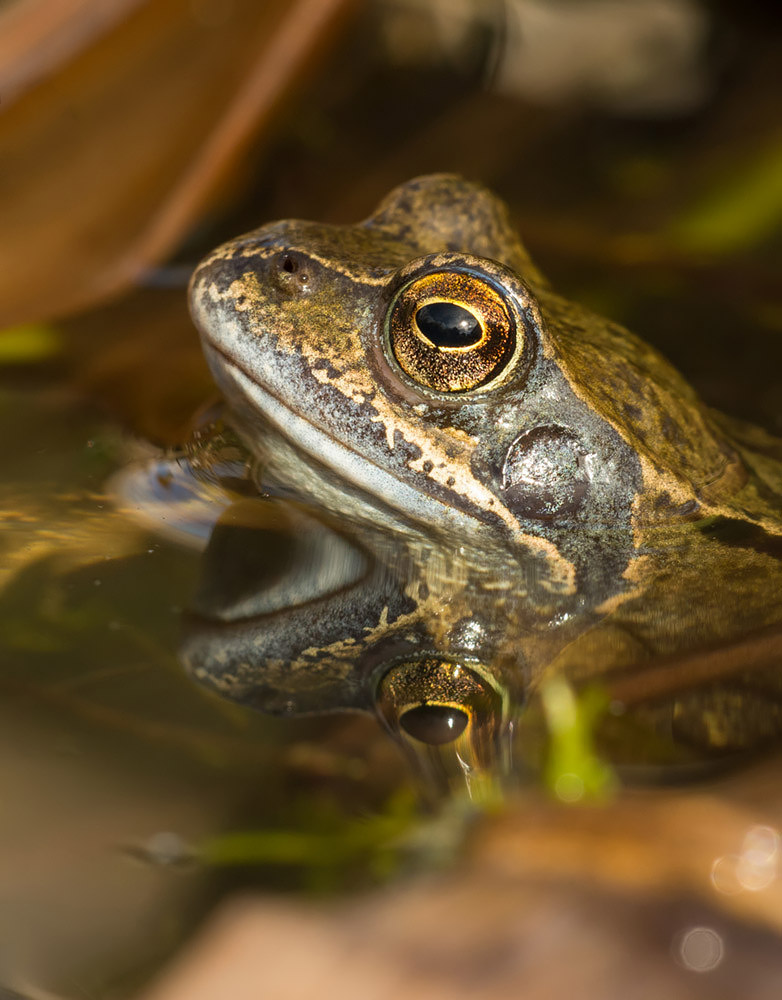
I’ve not had many chances to photograph Common Frogs so firstly out came the macro lens and my waterproof mat and I spent a session or two laid out at the side of the pond –

Common Frog close up

Common Frog close up

Common Frog Reflection

Common Frog Reflection

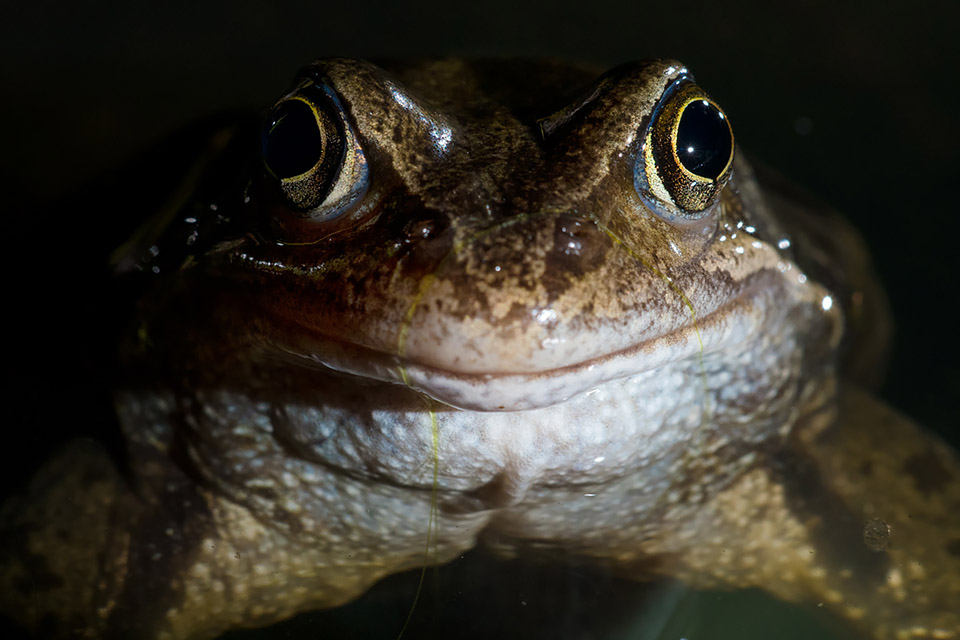
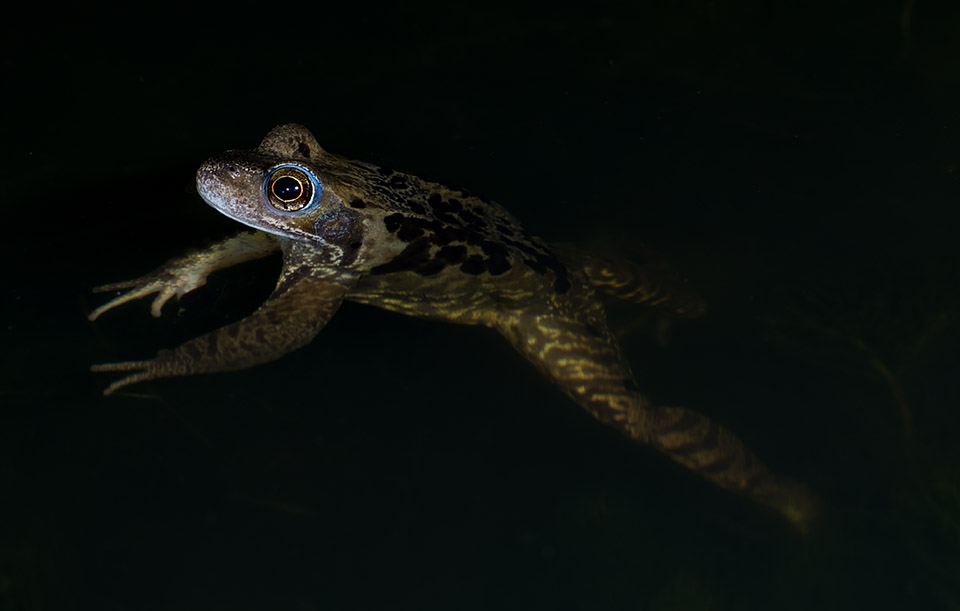
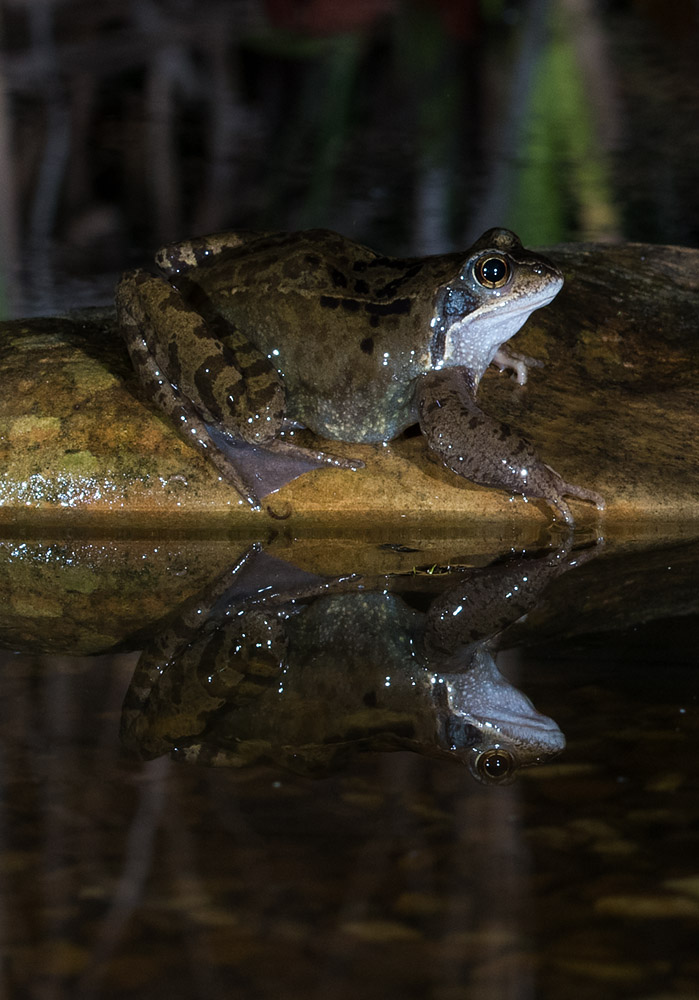
Despite some reasonable success they were still quite shy. What about trying to photograph them at night I wondered? A couple of remotely triggered flash units placed at 45 degress from each side and I was ready to go. This time the frogs were amazingly approachable with a little care and sat nicely for their portraits –

Smiley frog portrait

Smiley frog portrait

Floating in the dark

Floating in the dark

Common Frog reflected at night

Common Frog reflected at night

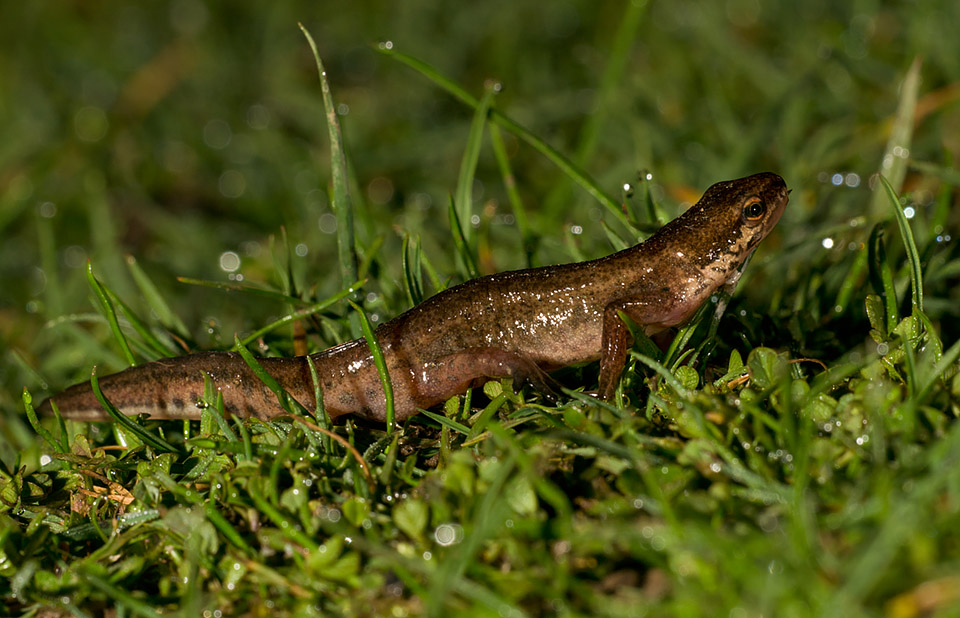
Whenever walking the garden at night around this time of year I have to be really careful of the travelling newts as they move around on damp nights –

Newt crossing lawn at night

Newt crossing lawn at night

It’s now a few weeks since the spawn was laid and my pond (the bulk was laid into a single pond) is now a writhing mass of life – everywhere you look there is a tadpole darting about, I could watch it for hours!

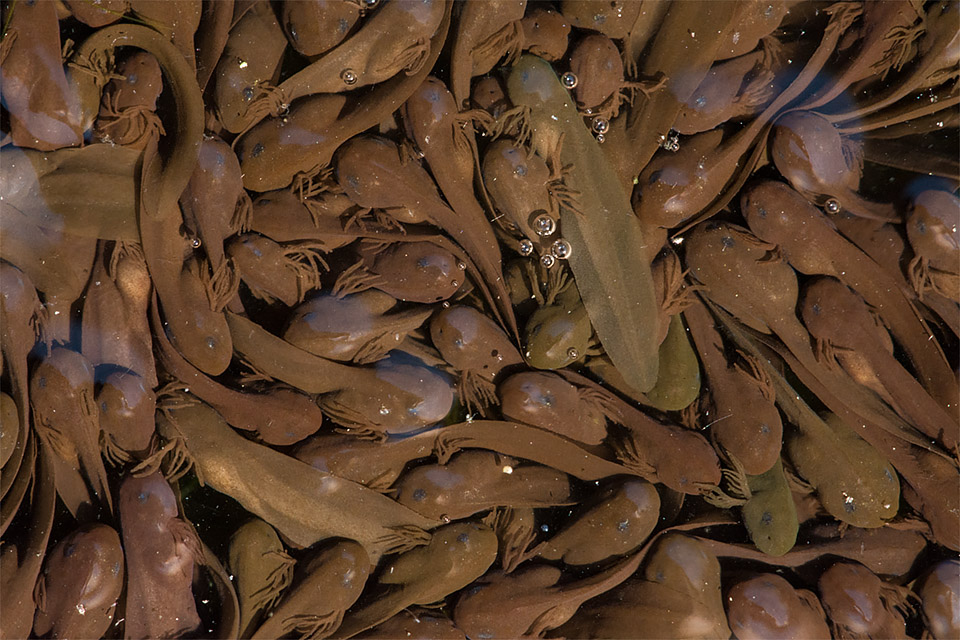
When the spawn first hatches the tadpoles tend to stay together and eat the rest of the jelly from the eggs, I tried to get a few images of this but any image taken into water is really difficult. Hopefully these convey what I was seeing –

Mass of tadpoles

Mass of tadpoles

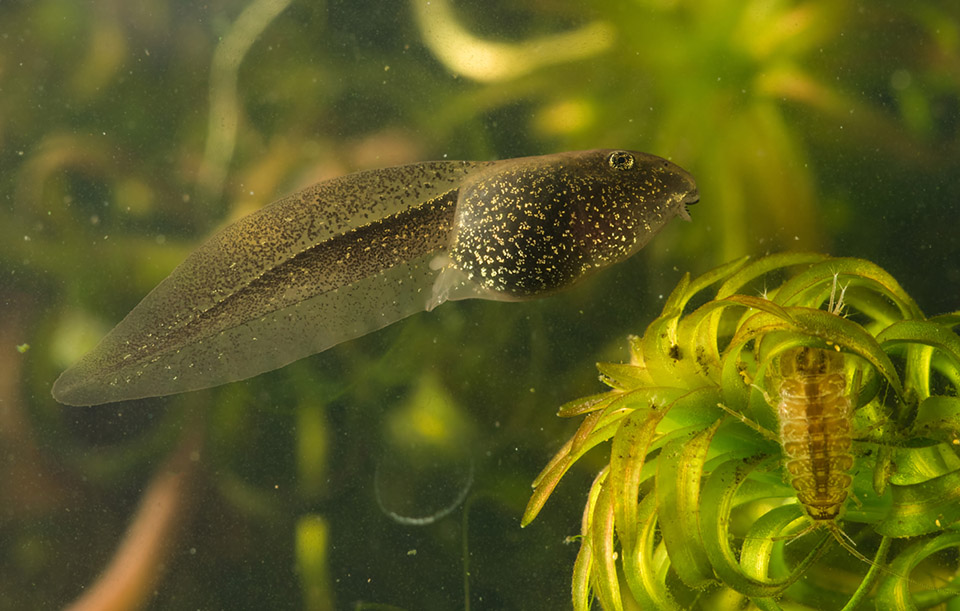
Finally for the frog theme, i’m trying out a little aquarium photography. Although it’s a reasonable start, I’ll need to work out how to clear the water as the following image shows (oh and notice the hoglice in the bottom right photobombing!)

Tadpole underwater shot

Tadpole underwater shot

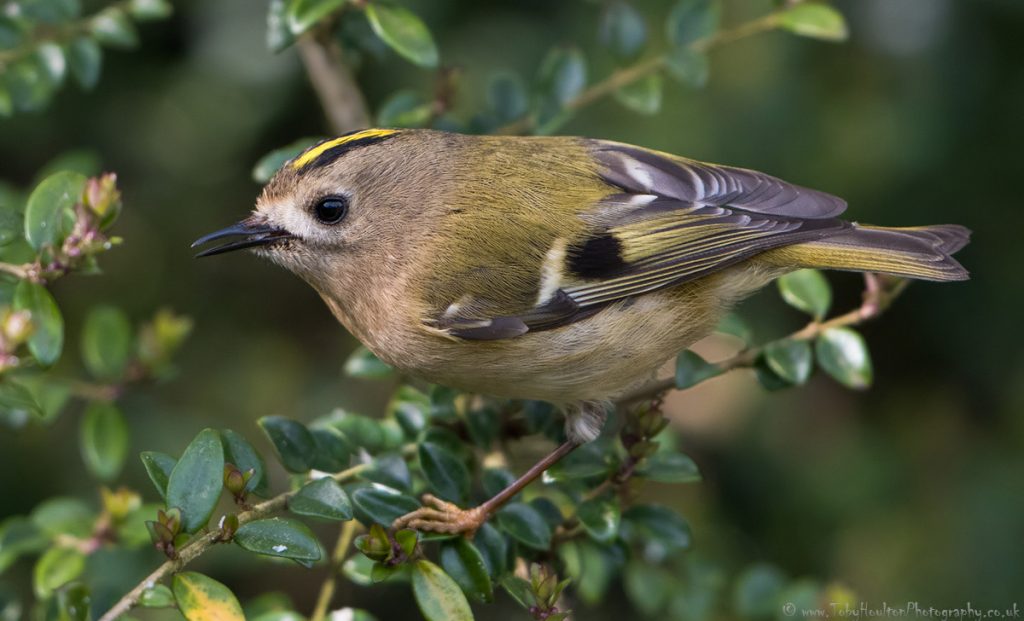
Bird wise the garden has been quite busy with the smaller birds being most active it seems. This Goldcrest was a welcome visitor and has been seen around regularly and not alone. Hopefully they will be nesting nearby –

Goldcrest side portrait

Goldcrest side portrait

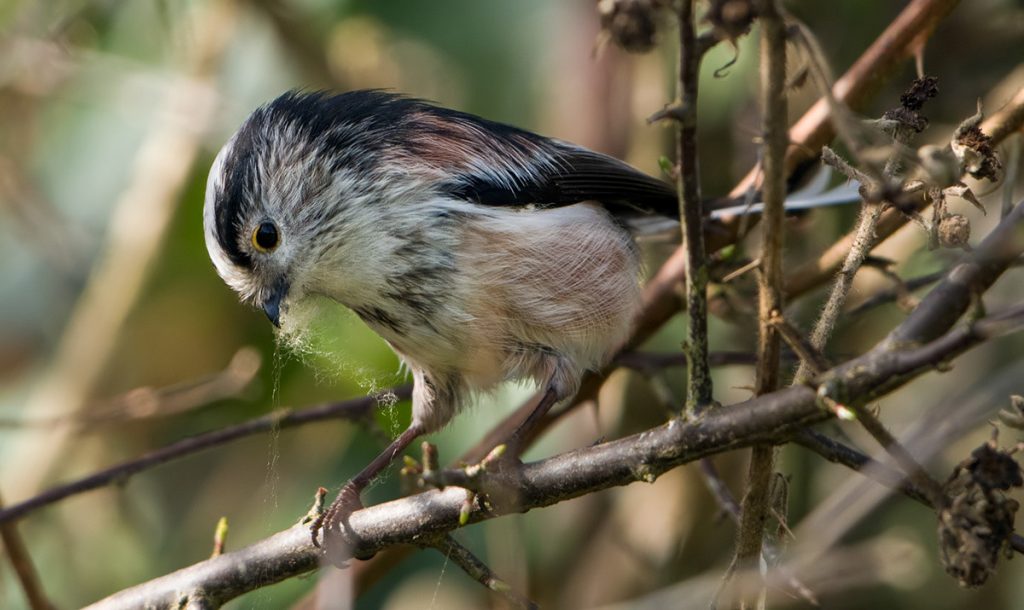
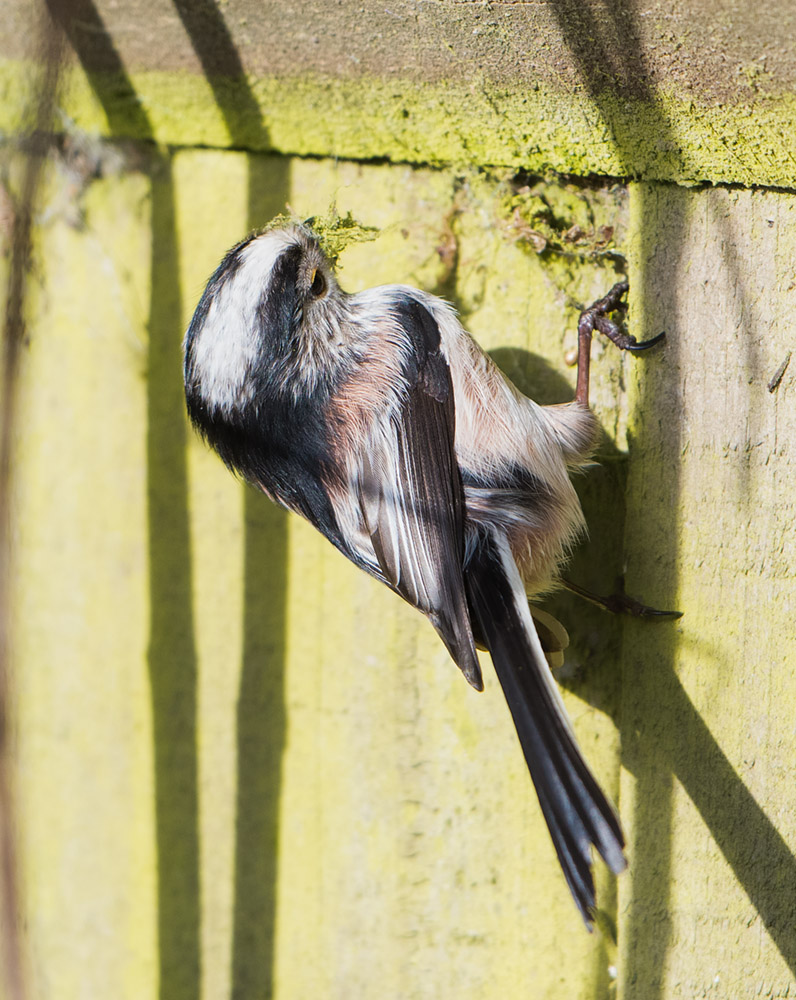
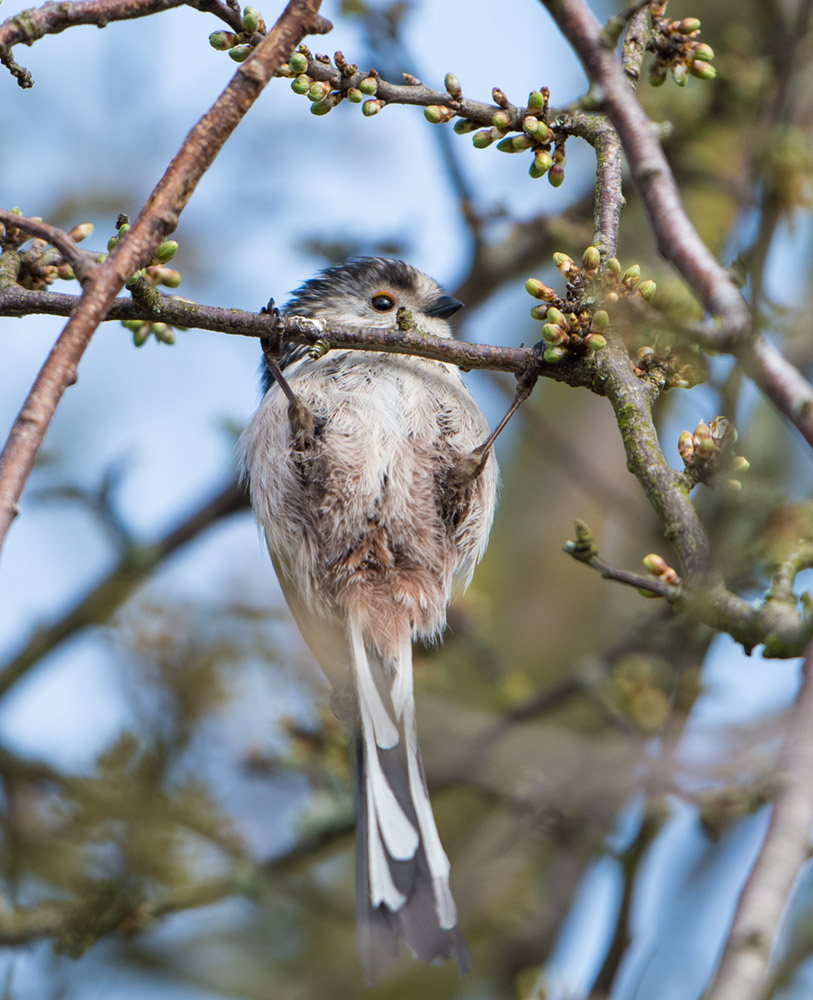
Another lovely little bird that is definitely nesting nearby is the Long Tailed Tit. They have been picking up tiny bits from my fat feeders before zipping around finding spiders webs with which to construct their nest –

Long Tailed Tit gathering nesting material

Long Tailed Tit gathering nesting material

Long Tailed Tit with moss

Long Tailed Tit with moss

Not the best images but something I don’t often see so worth inclusion here.

They even have enough energy to manage a few chin-ups…

Long Tailed Tit chin up

Long Tailed Tit chin up

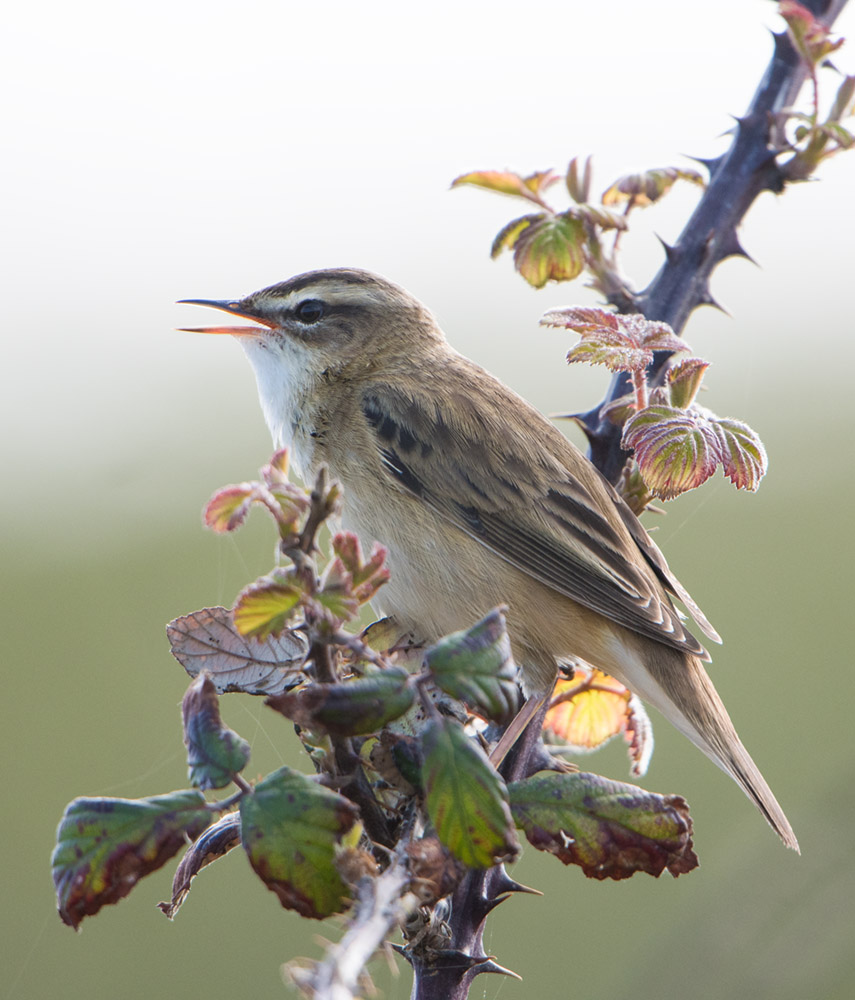
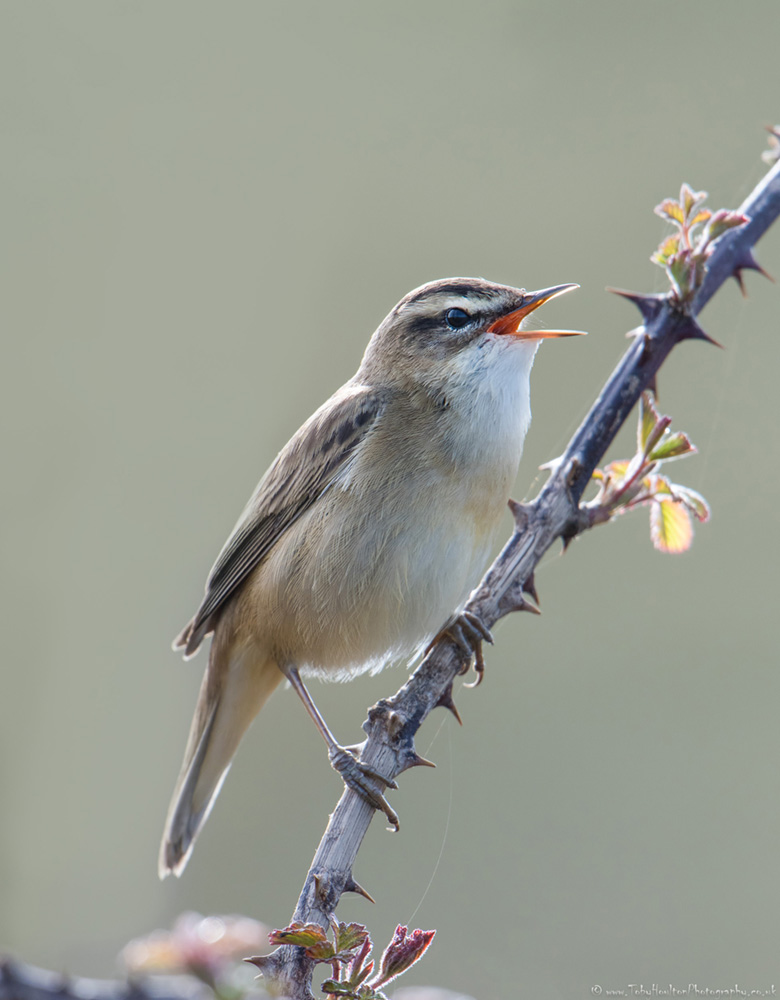
Moving away from the garden, I was treated to my first singing Sedge Warbler at Rye Harbour Nature Reserve at the beginning of April. This is a welcome sound as it heralds the reedbeds coming alive with warblers for the next few months. A small amount of time stood still and the bird was happily belting out his song close enough for some lovely portraits.

Sedge Warbler portrait

Sedge Warbler portrait

Singing Sedge Warbler

Singing Sedge Warbler

Finally, I’ve been giving access to private farmland, something I’ve been longing for to get some new space where it’s less likely i’ll be disturbed. It’s noticeable that all the wildlife I’ve spotted so far is really shy so it’ll be fun trying to get some good images.

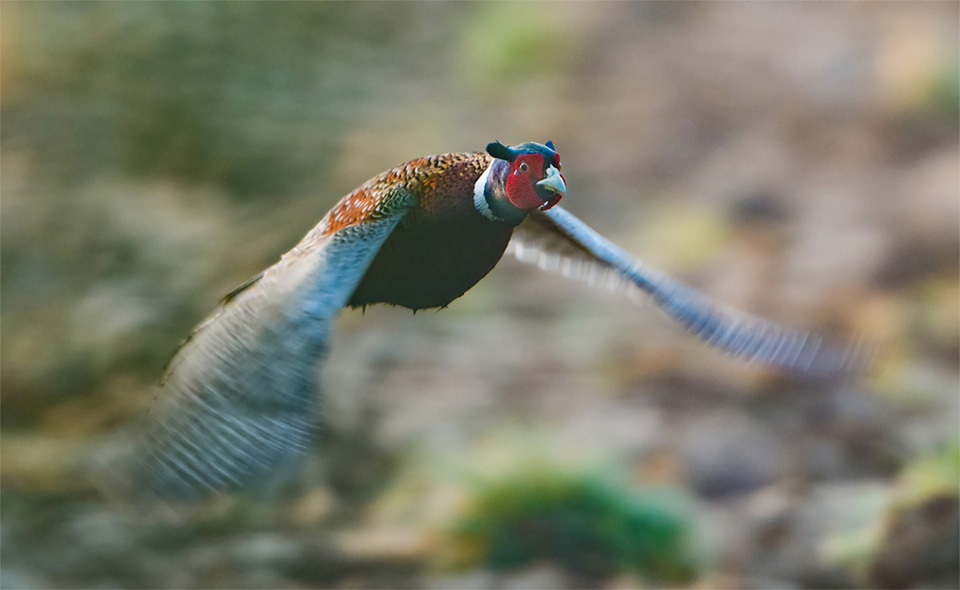
One bird there is no shortage of is the Pheasant – this shot was early morning, low light and high ISO so fairly pleased with how it came out –

Pheasant in flight

Pheasant in flight

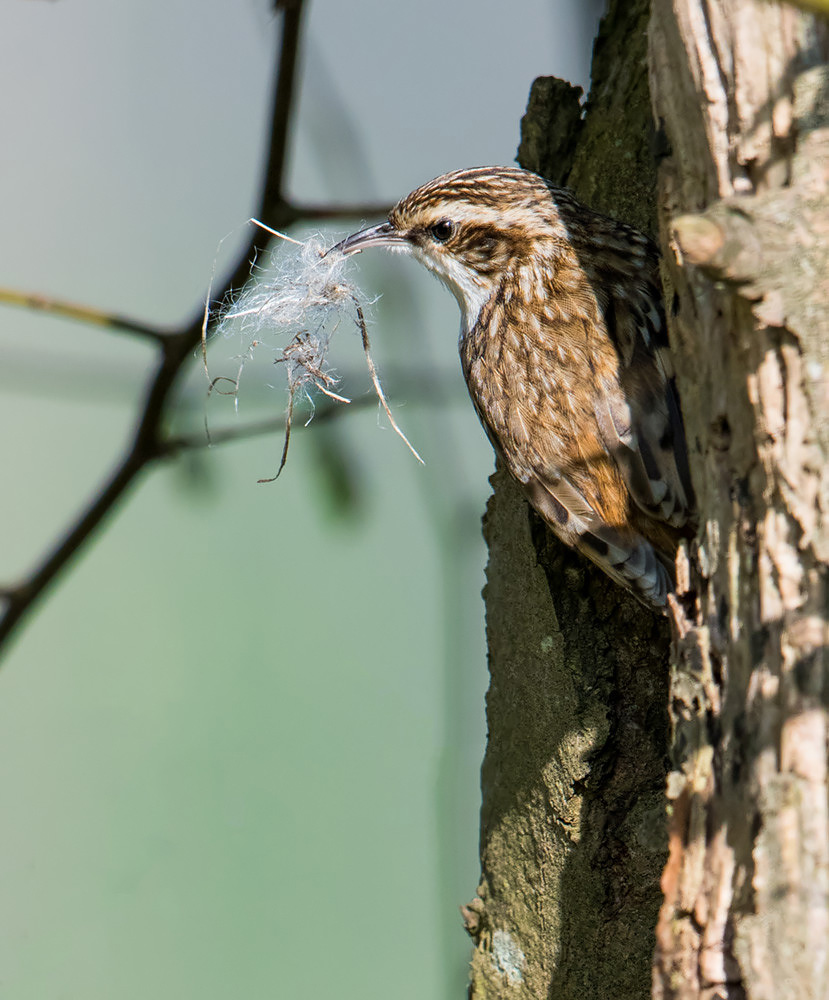
I also managed to find a pair of Treecreepers making a nest in some rotted wood. I’ll be keeping an eye on them over the coming weeks. I’d love to see the youngsters fledge into a huddle! –

Treecreeper with nesting material

Treecreeper with nesting material

That’s it for this instalment. Hope you enjoyed the images.


Posted in Garden, Photography, Wildlife Photography Also tagged , , , , , , , , , |