Category Archives: Wildlife Photography

Staying close to home….

I realise I’ve been neglecting my blog, mainly due to the pressures of work and although my images have been updated, I’ve not been writing too much. I now have a lot more time though, having taken the decision to leave the employer I was with (for a very long time!) as that amount of stress isn’t healthy for anyone……I now have the time I dreamt of when my wife and I first moved up here back in 2017 and can spend plenty of time in nature, the place I feel most relaxed and connected.

One of the best things about living somewhere like the Highlands of Scotland is that there is no shortage of choice of where to take the camera. I’ve learnt over the years that I am most definitely a coastal soul and love spending my time finding subjects on the many beaches here. On the east coast, where I am, is a mix of shallow sandy beaches, rocky headlands and sea lochs. Winter brings the waders, wildfowl and often flocks of sea ducks come closer to shore, so whatever the weather there is something to find.

Nature photographers have a few different approaches to finding subjects. Some adopt the full on “project” where they concentrate on getting the best from a specific subject, often for quite some time, others may prefer to make the most of the little time available to them and head for a well known site that produces results (can often be busy) or even pay to visit a hide. Alternatively, the “wander and see” method can pay dividends but is often hit and miss. My trips are definitely a mix of these. That said, with a little homework first you can significantly increase your chances. Images below are from one of those, just a wander with the camera. The duck images are from Tain Links.

Learning about your subjects is the first step to fully understanding behaviour, little things picked up here and there that can help you recognise and make the most from a moment that might last just a few seconds.

Some examples – if you see a Teal just dipping under the water a few times (not feeding, just washing) within a few seconds they will flap the water from their wings, almost rising out of the water and spraying droplets everywhere, a great photogenic opportunity.

Teal flapping wings after wash

Teal flapping wings after wash

Teal bathtime

Teal bathtime

Teal wingflap

Teal wingflap

Another piece of information that can pay dividends is where the birds are at each stage of the tide. At what point do they feed? Where do they go first for the earliest mud uncovered by a dropping tide? This is exactly what I used to get a few images from Dornoch Beach of the feeding Sanderings – I simply sat and waited close to the spot I knew they would be visiting and waited. Sure enough, as soon as the mud is about to show, in they came. Very busy little birds, darting everywhere and can be hard to keep in the viewfinder. I like to try and catch something a little different such as these images below – 

Sanderling with shell heart

Sanderling with shell heart

Sanderling with a lug tail

Sanderling with a lug tail – probably missed the full worm…unlike….the next bird


Sanderling with a lugworm

Sanderling with a lugworm

Don’t forget though, even if you don’t manage to get any images on a trip out, just watching the wildlife can provide lots of tips for future use, so it’s never a wasted journey, it’s all part of the same path to improve your chances at a later date.

Just a quick blog for today but I’ll endeavour to make this a much more active space. Hope you enjoyed the images.
Also posted in Birds, Everything else, Photography, Scotland

North Uist wildlife photography trip June 2019

North Uist in the Outer Hebrides of Scotland has been on my “want to visit” list for some years. Known for it’s outstanding wildlife I just had to give it a try and, after moving to Scotland in 2017, the logisitics of the trip became much easier – basically load the car, drive 3 and half hours to (almost) the tip of the Isle Of Skye and drive onto a ferry.

So in June of this year we did exactly that. A short ferry trip later and we were driving towards our B&B situated on the Northwest of the island near Loch Sanndaraigh. We chose this location as it’s near to the RSPB reserve of Balranald which is know for Corncrake amongst many other species.

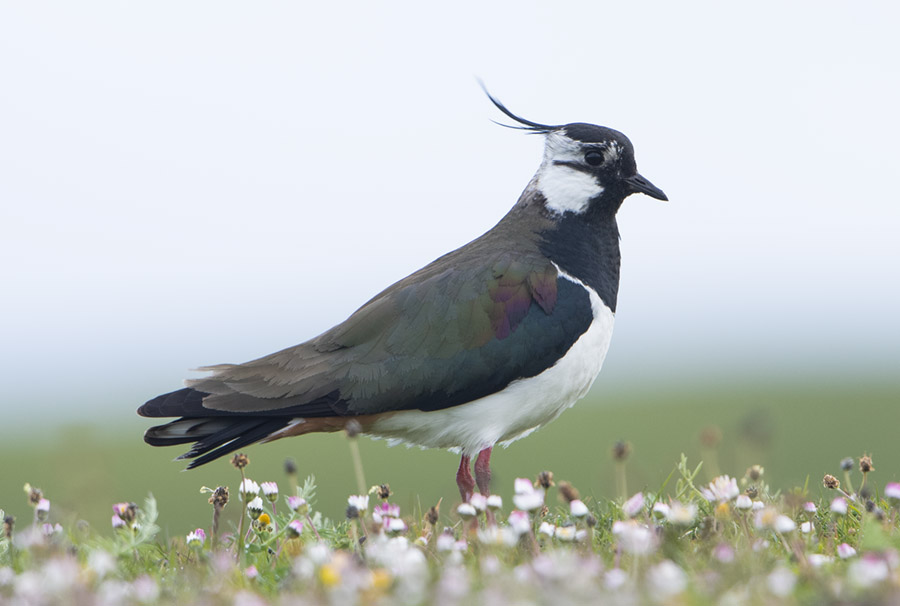
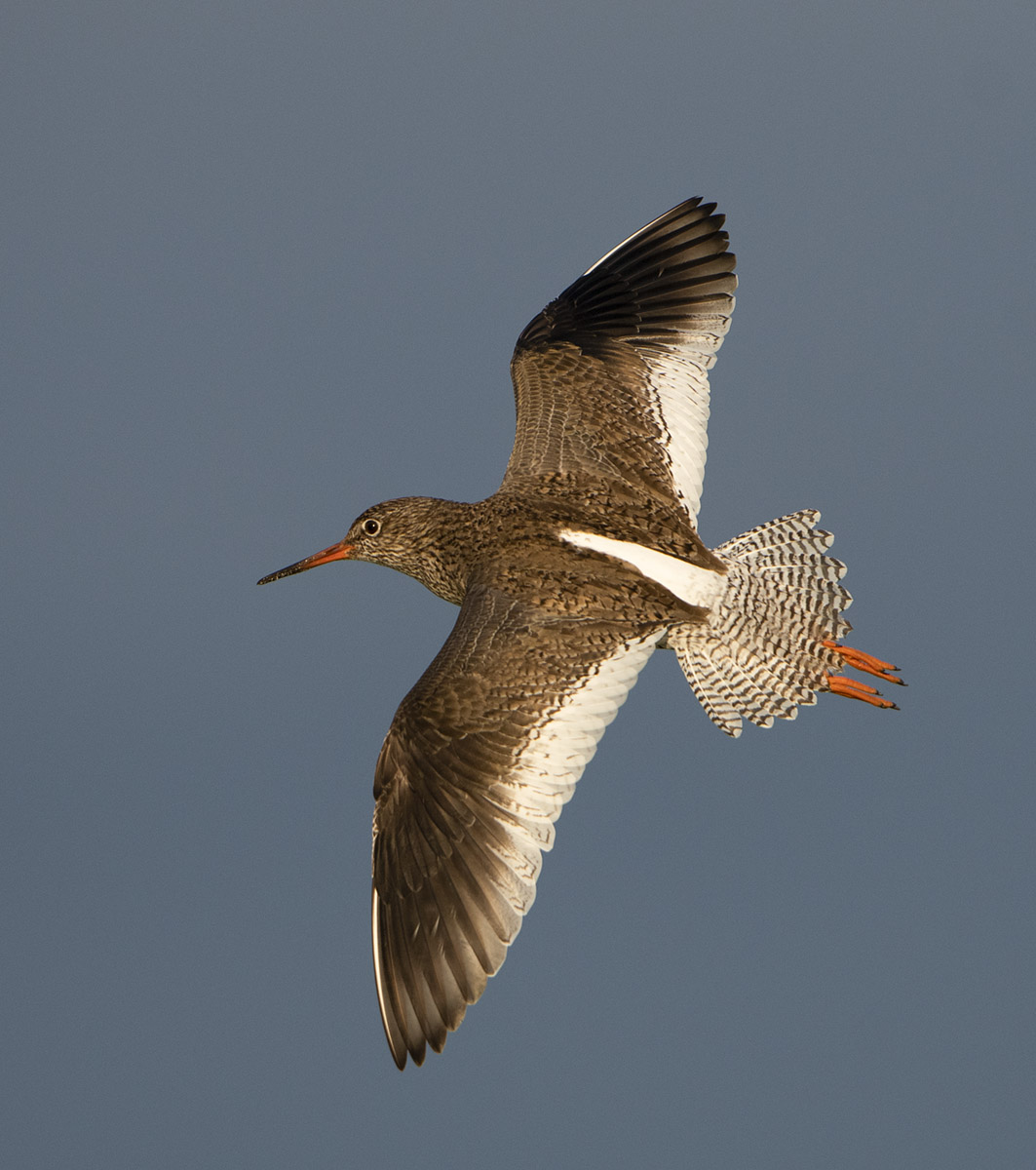
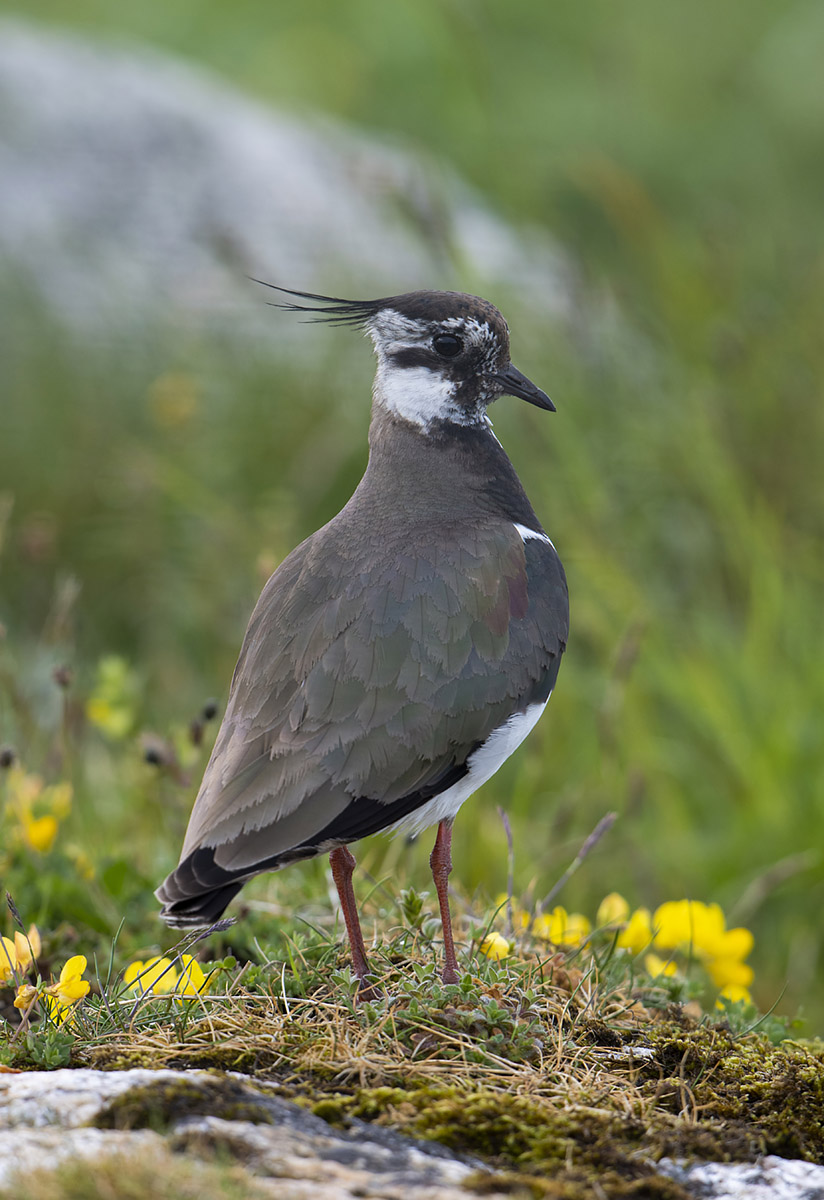
After arriving late afternoon I had a quick walk around the surrounding area to get the layout. Instantly noticeable was the amount of wading birds (and young) that were in nearby fields. I’ve never seen so many lapwing. Also what struck me, especially in the area we were, there are lots of fenced off fields and plots of land that sandwich the single track roads. All those Snipe / Redshank / other birds perched on photogenic posts i’ve seen from this place now makes sense!

So, first morning is a really early start to try and see Corncrake along the approach road to Balranald. Hopefully that early will mean very little other traffic so we (my wife and I) can crawl along in the car with the windows open and take shots from the car. A drizzly grey day didn’t make shots easy but plenty to see and point a camera at –


Lapwing amongst flowers

Lapwing amongst flowers

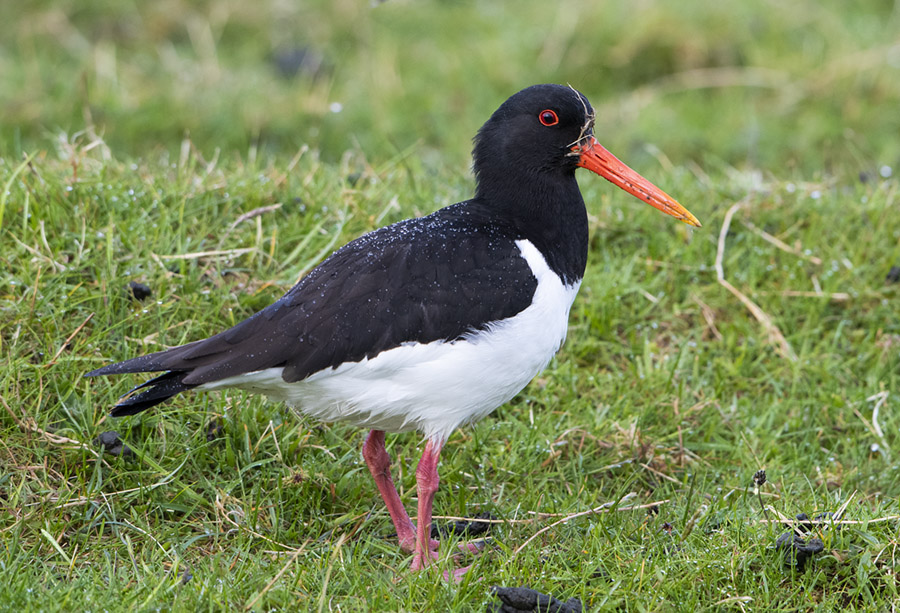
Oystercatcher feeding in field

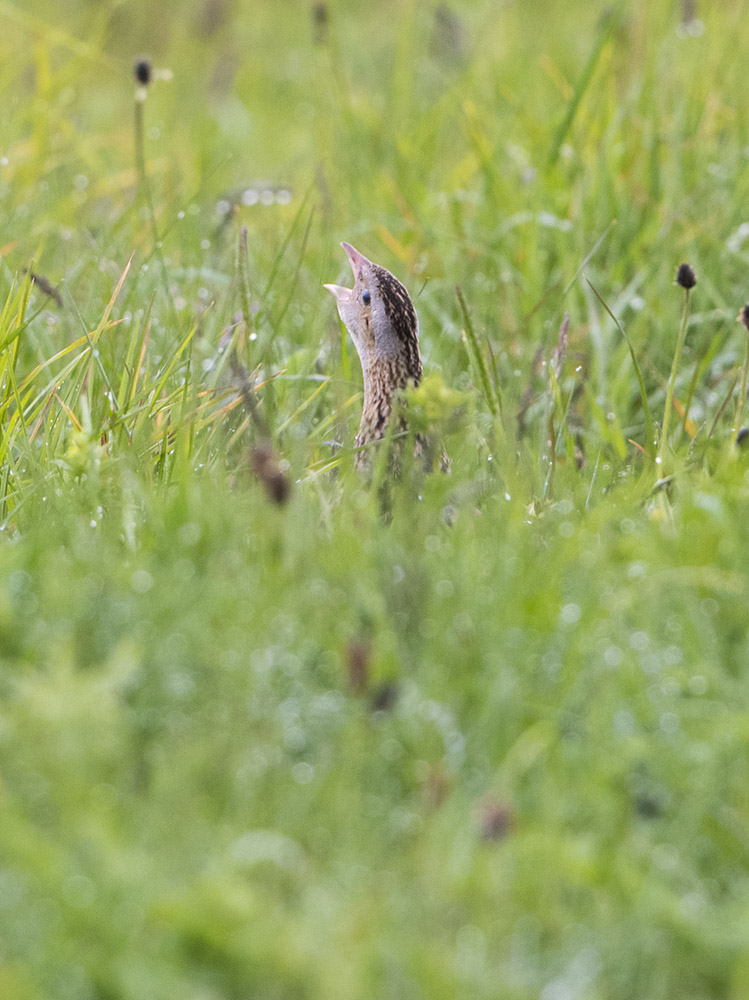
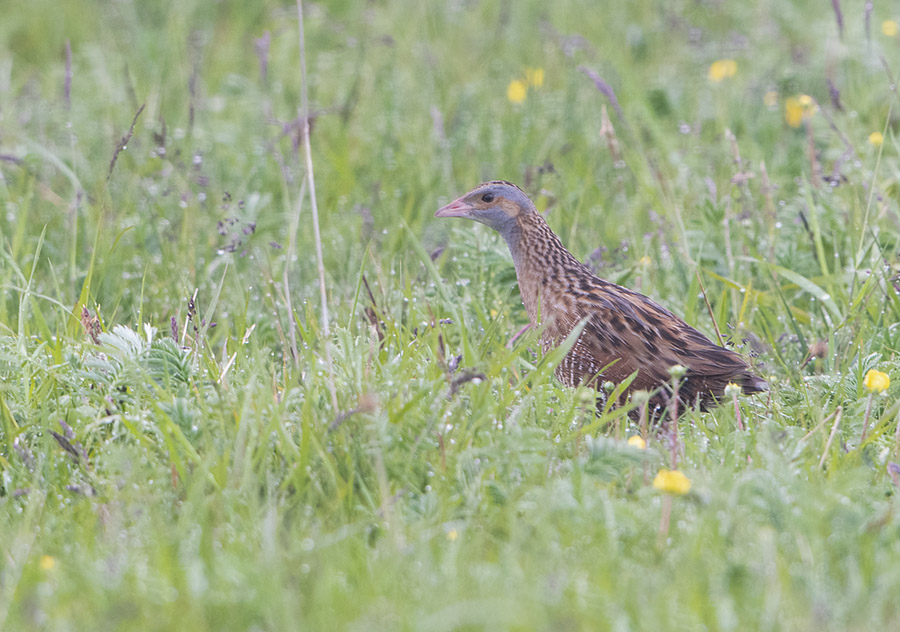
The Corncrake were certainly there – their calls often heard but glimpses were frustratingly difficult. I did manage just a couple of poor images (these are quite heavy crops) of the ones we did see. Still – you don’t get great images every attempt!


So far so good though – I had never seen a Corncrake so first attempt success is always welcome! The tip is to come earlier in the year before the vegetation gets too high – then they are a bit easier to spot.

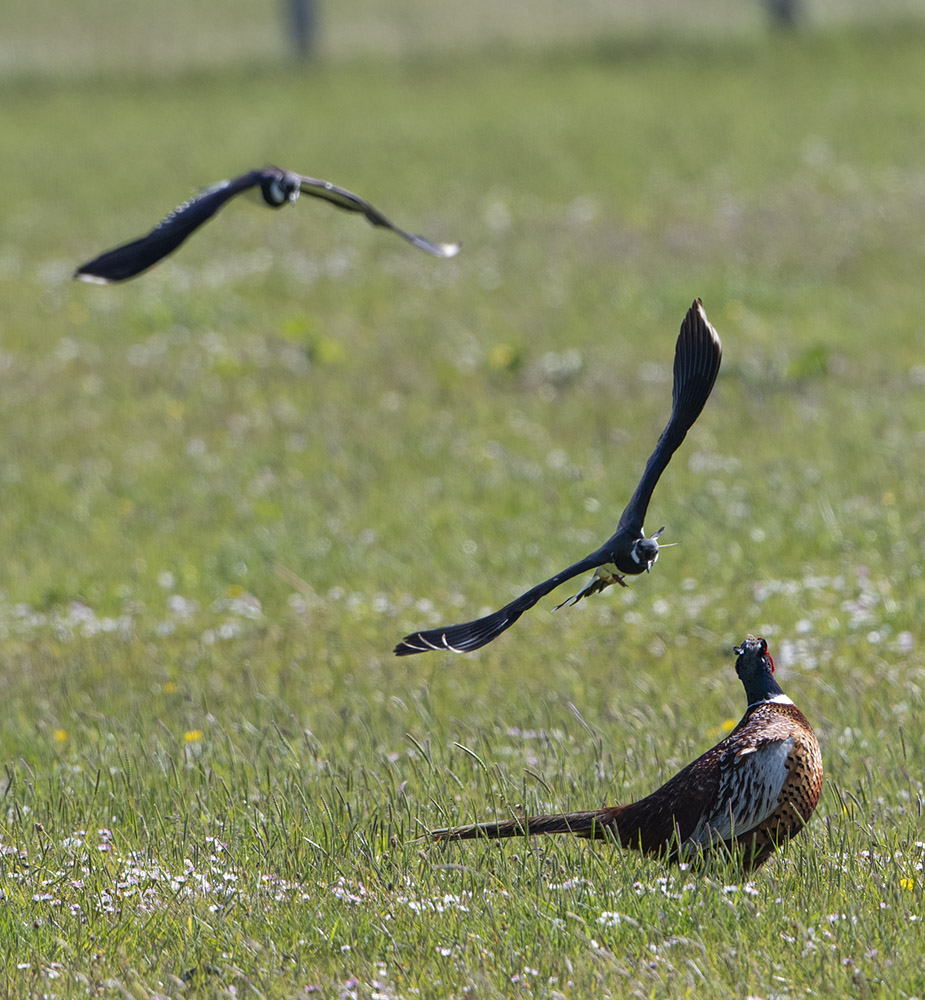
A bit more of a drive around, mostly down single track roads and spotted a visitor not welcomed by the local lapwing family.

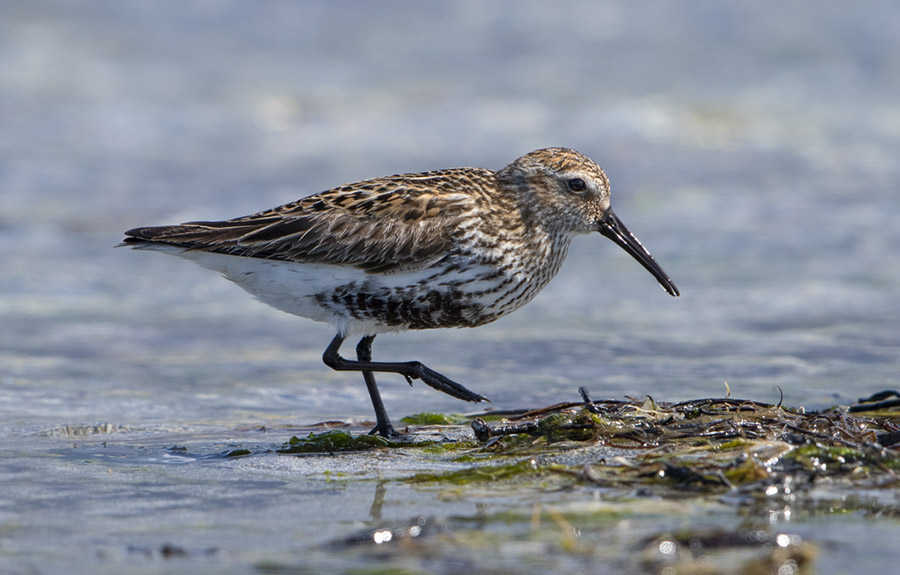
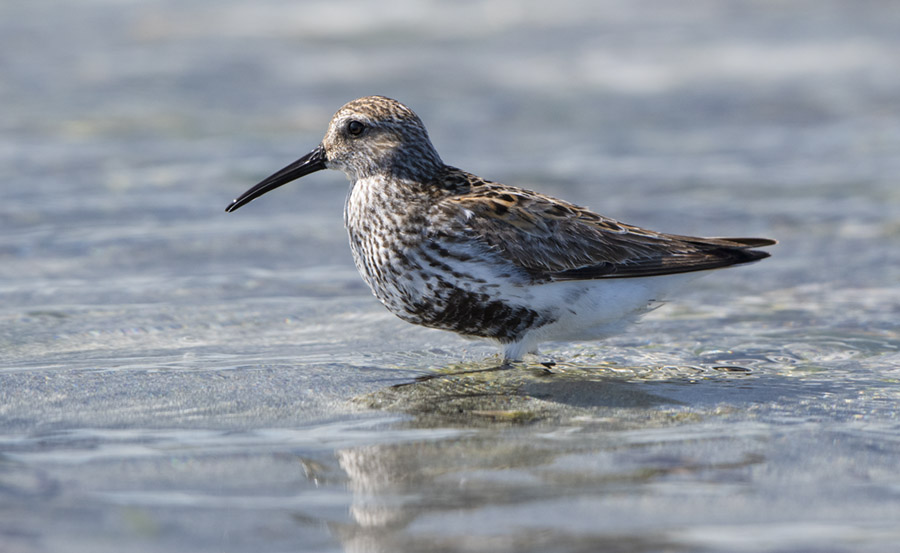
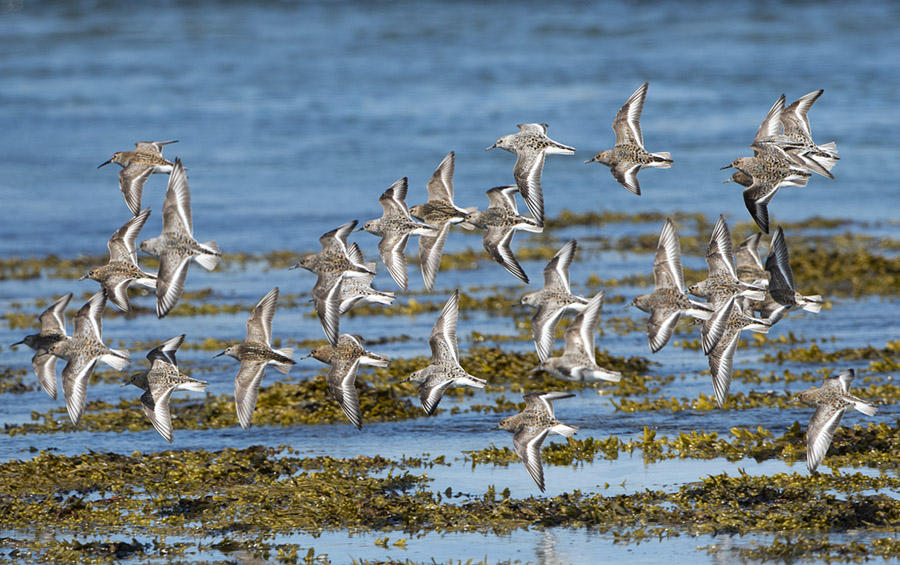
For the afternoon we headed to a local beach, directed by our hosts. The beaches here are stunning! Mainly white sand that stretches for miles and crystal clear water. You could be forgiven for thinking it was the caribbean. The area we headed to was the mouth of Loch Phaibeil – there is a lovely deeper channel where the water floods in and out to fill the loch and looked a perfect place to spend some time working out what the birds were doing. It’s a great place for smaller waders so I laid out on the sand trying to bet images of the Dunlin as they fed at the waters edge.

Dunlin feeding at Loch Phaibeil

Dunlin Flock at Loch Phaibeil

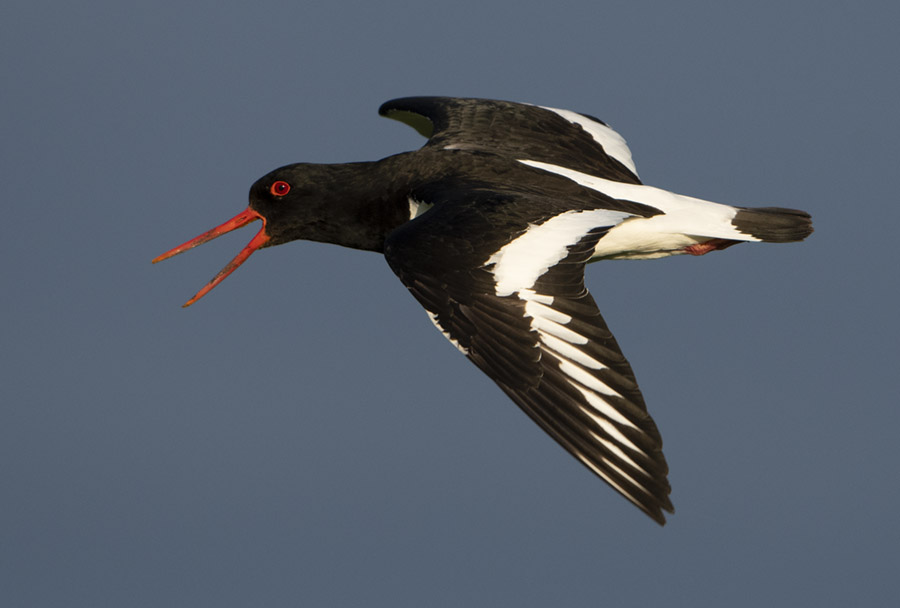
I kept my attention on the Dunlin although there were Oystercatchers around plus Shelduck and Eiders in the channel but they kept their distance despite me being laid flat.

Our walk back to the car (through fields) earned us the inevitable escorts from worried parents. It doesn’t really matter where you go at this time of year, there are so many nesting birds that wherever you walk (sticking to established paths of course) you will be accompanied by Redshank, Lapwing and Oystercatchers flying up and sounding the alarm. I try to take just a few images and move on. Even if you aren’t the object of concern, the crows and gulls guarantee there is always something to shout a warning about.

Get off my land!

Back to the B&B and still hearing the sound of Corncrake right outside the windows. My first full day is over but has made quite an impression. Day 2 report to follow shortly (when I get round to it!).

Also posted in Birds, Cameras, D500, North Uist, Outer Hebrides, Photography, Scotland Tagged , , , , , |